
Unlike the insurer industry's earlier voluntary prior authorization pledge, a new federal rule arriving January 1, 2027 carries actual enforcement, and practices need to understand what changes now.
 0
0



New data shows physician burnout fell from 43.2 percent in 2024 to 41.9 percent in 2025, a genuine, sustained improvement worth understanding directly.


A bipartisan funding bill extends the Dr. Lorna Breen Health Care Provider Protection Act, current Medicare telehealth flexibilities, and prevents scheduled Medicaid DSH cuts practices have been tracking closely.


New Doximity data shows physician AI adoption rising sharply, from 47 percent to 63 percent in under a year, driven largely by ambient documentation tools reducing administrative burden.


A genuine trust gap exists between how essential independent practices consider technology to their independence and how much they actually trust the specific tools they currently use.

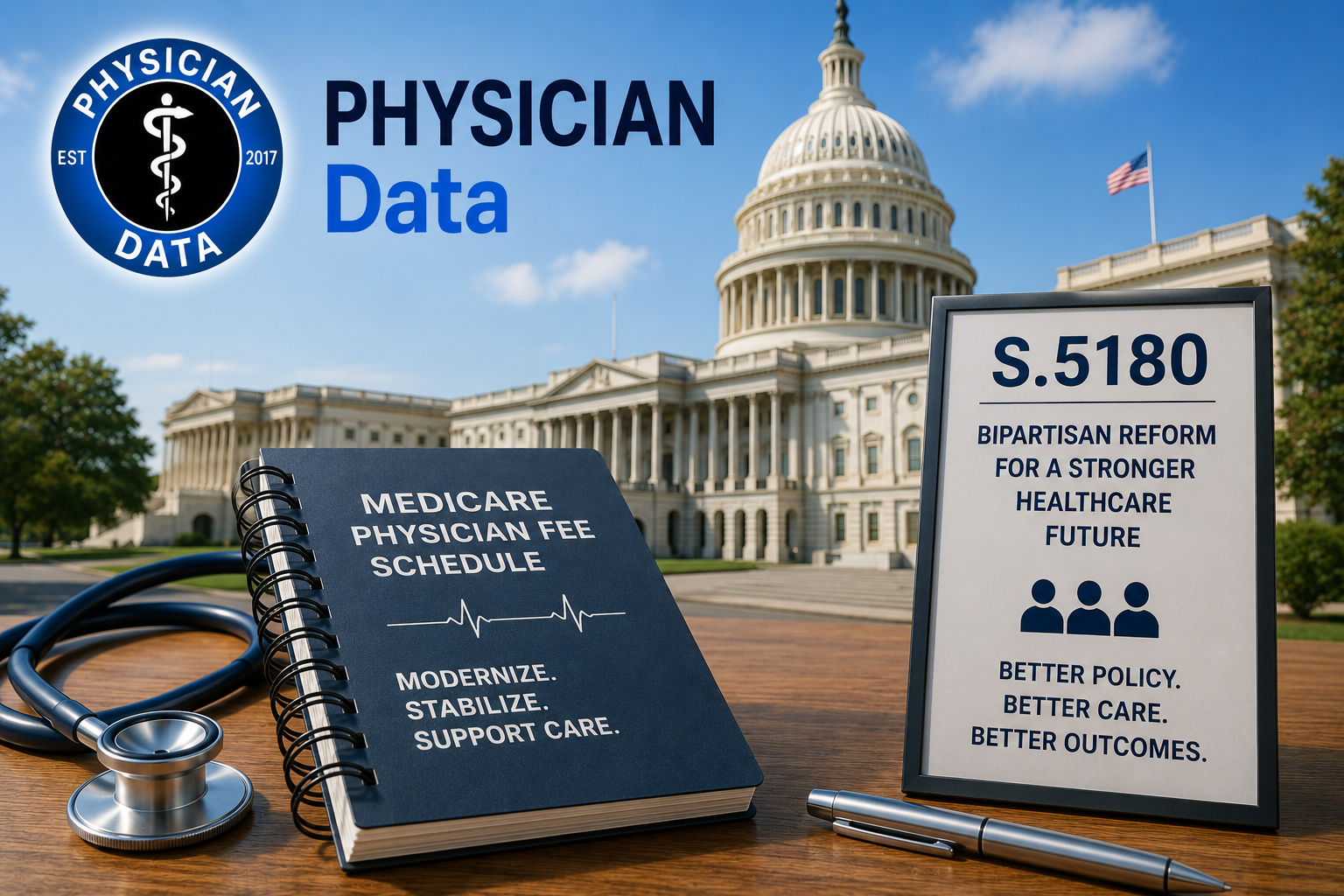
A genuinely bipartisan Senate bill aims to modernize Medicare's physician fee schedule, addressing budget neutrality thresholds and practice expense calculations practices have long criticized.


PitchBook data shows private equity physician practice acquisitions dropped from 851 deals in 2021 to just 105 in the first half of 2026, driven by new state oversight laws.


Growing state-level authority for nurse practitioners and PAs to practice independently is reshaping physician practice competition and creating a genuine new addressable buyer segment.


The HIPAA Privacy Rule's final rule is expected in August 2026, giving practices genuinely little runway to prepare for whatever changes it introduces.


The 2027 Medicare fee schedule proposal introduces MIPS Value Pathways, described as "MIPS on steroids," with cuts landing hardest on independent practice groups.


Healthcare staff organizing efforts are accelerating, and practice leaders are navigating unfamiliar legal territory around how to respond appropriately.


New data shows women physicians leave clinical practice 15 years earlier than men, and practice leaders are only now connecting the dots on what actually drives retention.


Physician practice bankruptcies are on pace for their highest level since 2019, nearly tripling year over year and creating a genuine new wave of practice buyers and restructuring advisors.


The new $100,000 H-1B visa fee lands directly on international medical graduates who fill a disproportionate share of rural and underserved physician roles, forcing hospitals into urgent recruiting decisions.


Most physician email list vendors are reselling the same underlying aggregated data with a different logo attached. Here is how to tell, and why it matters for deliverability.